ADHD Is More Than Attention Problems:
ADHD Strengths & Supports Series — Part 1
When most people hear ADHD, they think:
“My child (or student) can’t focus.”
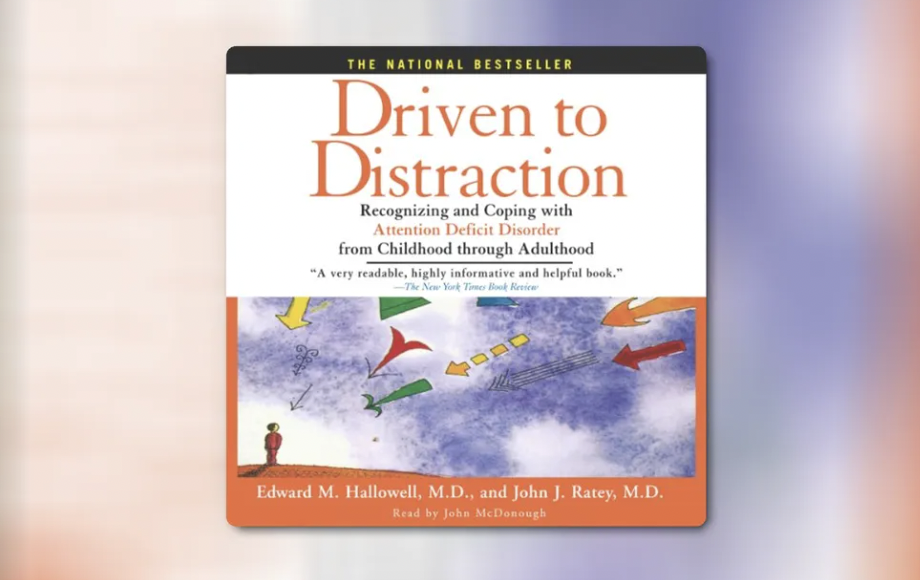
However, the book Driven to Distraction by Edward Hallowell and John Ratey describes ADHD as much broader than attention alone. It affects how a person regulates attention, manages tasks, and responds to the demands of daily life—not just whether they can sit still or concentrate.
This blog series will explore how ADHD affects attention, motivation, emotional regulation, organization, and daily functioning across childhood through young adulthood. Throughout the series, we’ll discuss common ADHD experiences, practical supports, and the strengths that are often overlooked when ADHD is viewed only through a deficit-based lens.
ADHD Is Inconsistent, Not Absent
One of the most important ideas in the book is that attention in ADHD is not missing—it is inconsistent and situation-dependent.
This often looks like:
Focusing extremely well on interesting or engaging activities
Struggling significantly with routine or repetitive tasks
“Zoning out” during low-interest demands
Becoming deeply absorbed in preferred activities for long periods
For Example:
A child may struggle to complete a worksheet but can spend hours building, drawing, or talking about a favorite topic.
A college student may procrastinate on required reading but hyperfocus on something they care about deeply.
This inconsistency is often misunderstood as “not trying,” but the pattern described in the book points to a regulation issue—not effort.
ADHD Affects More Than Attention
ADHD also impacts what we now often call executive functioning—the systems that help us manage daily life.
This can include difficulty with:
Starting tasks (even when they matter)
Planning and organizing steps
Remembering assignments or responsibilities
Managing time realistically
Following through without external structure
Because of this, people with ADHD may know what to do but still struggle to do it consistently.
Why ADHD Is So Often Misunderstood
The book highlights a pattern that shows up across childhood, adolescence, and adulthood. When ADHD is not recognized, behaviors are often interpreted as character flaws.
This can sound like:
“They’re lazy.”
“They don’t care.”
“They just need to try harder.”
“They’re irresponsible.”
Over time, these messages can stick—and shape how a person sees themselves. It is important to emphasize that ADHD is not a motivational or moral failure. It reflects differences in how the brain regulates attention, effort, and follow-through—especially for tasks that are delayed, repetitive, or less engaging.
It’s Not All Struggle: Strengths Are Part of the Picture
Another important theme in Driven to Distraction is that ADHD is not only defined by difficulty.
Many individuals also show strengths such as:
Creativity and original thinking
Curiosity and strong interests
Humor and spontaneity
High energy and enthusiasm
Ability to think in nonlinear, flexible ways
These strengths often show up most clearly when the environment is supportive and the task is meaningful.
Why This Matters For Parents and College Students
Understanding ADHD in this broader way changes the conversation:
Instead of:
“Why won’t they just do it?”
It becomes:
“What makes it harder to start or follow through?”
“What conditions help this person succeed?”
“Where do they actually function best?”
For college students especially, this can also explain a long pattern of:
Being capable but inconsistent
Doing well under pressure but struggling with routine
Feeling confused about why effort doesn’t always match results
Key Takeaways
ADHD is not simply a matter of attention or effort.
As described in Driven to Distraction, it is a difference in how attention, motivation, and executive functioning work together across situations.
When we understand that, the focus shifts from blame to support—and from frustration to problem-solving.
Next in this series:
Why ADHD brains rely so heavily on interest, urgency, and emotional engagement—and what that means for school, homework, and college work.