Understanding Dyslexia: A Parent’s Guide to Supporting Reading Success
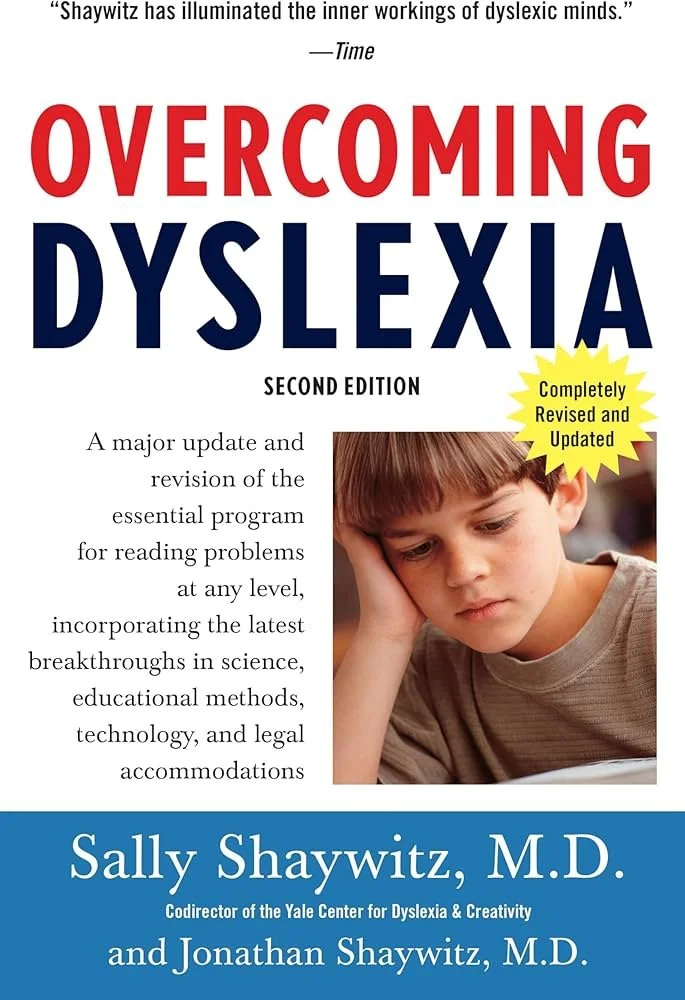
Dyslexia is one of the most common learning differences seen in children, yet it is also one of the most misunderstood. Many parents first notice that their child is bright and curious but struggles in ways that don’t seem to match their abilities. The important thing to know is this: children with dyslexia can become strong, confident readers with the right support. Early understanding and intervention make a profound difference. At Student Success Psychological Services, we help families recognize the signs, know what works, and support their children’s strengths.
Dyslexia Is a Brain-Based Learning Difference
Dyslexia stems from how the brain processes language, particularly in areas that help with recognizing and manipulating the sounds in spoken words and connecting those sounds to printed letters and words. These differences make reading more effortful, especially in the early stages of learning. It is not caused by low intelligence, lack of motivation, or poor parenting. In fact, many children with dyslexia are very bright and excel in reasoning, creativity, and understanding complex ideas. Dyslexia affects a specific part of learning (reading), not a child’s overall potential.
Because dyslexia is neurological, it tends to persist across a child’s lifespan. However, this does not mean that children can’t learn to read. With strong instruction and supportive strategies, their reading abilities can improve significantly, and they can thrive in academic settings.
The Main Challenge Involves Sounds in Words
A key feature of dyslexia is difficulty breaking spoken words into their individual sounds and linking those sounds to letters. This skill, called phonological processing, allows children to understand that words are made up of smaller sound units and that these sounds connect to print.

When this system is less efficient, children may:
Struggle to sound out unfamiliar words
Mix up similar-sounding words
Have trouble spelling, even words they know
Rely on guessing rather than decoding
These challenges are not signs of laziness. The brain simply has a harder time creating the automatic connections between sounds and letters that fluent reading requires. Once this is understood, parents and teachers can better support students with targeted instruction.
Early Indicators Can Appear Even Before Kindergarten
Dyslexia often becomes more noticeable when children begin formal reading instruction, but early signs can appear much earlier. Some preschoolers have trouble learning simple rhymes or struggle with rhythm, which can indicate difficulty hearing the sound structure of language. Others may be late to speak clearly or consistently mix up the order of sounds in longer words.
As children enter kindergarten and first grade, additional signs may show up, such as:
Slow progress learning letter names or letter sounds
Difficulty remembering sequences like the alphabet
Avoiding reading activities
Needing more time to retrieve words (e.g., naming objects or colors)
These early clues simply point to the need for additional support. When children receive help early, they are much more likely to stay on track with reading development and avoid unnecessary frustration.
Early, Targeted Support Makes a Powerful Difference
The earlier a child begins receiving the right kind of reading instruction, the faster and more effectively they progress. Children’s brains are highly responsive to intervention, especially in the early elementary years. When reading instruction is started early, children are less likely to fall behind and more likely to develop confidence in their abilities.
Even for older children, meaningful improvement is absolutely possible. The brain remains flexible and able to build new reading pathways well beyond the early years. What matters most is that the support is targeted and consistent.
Effective Reading Instruction Is Structured, Explicit, and Clear
Children with dyslexia benefit from instruction that is predictable, organized, and directly taught. Skills should be introduced in a logical sequence, practiced thoroughly, and revisited often. Instruction should clearly explain how sounds map to letters, how to blend and segment sounds, and how to apply these skills to reading real words.

Strong instruction incorporates:
Phonemic awareness practice
Systematic phonics lessons
Guided reading with feedback
Fluency-building exercises
Vocabulary and comprehension support
Because children with dyslexia learn best with clarity and repetition, this approach gives them the steady foundation they need to make reading automatic and meaningful.
Fluency Often Remains a Challenge
Even once decoding improves, many children with dyslexia continue to read more slowly and deliberately. Fluency grows through practice: reading out loud with guidance, revisiting familiar texts, and gradually increasing reading stamina.
It’s important for families to know that slow reading is not necessarily a sign of lack of understanding. Many dyslexic students can comprehend stories and information with the right support and practice.
Dyslexia Is Lifelong, But Highly Manageable
Dyslexia does not go away, but it becomes highly manageable with the right tools, strategies, and understanding. As children grow older, they learn compensatory strategies that help them navigate reading-heavy tasks. With the right mindset and support, students with dyslexia can excel academically and choose from a full range of career paths.
The goal is not to eliminate dyslexia, but to help children develop effective reading skills while celebrating their strengths and building a positive self-image.
Accommodations Help Children Show What They Truly Know
Because reading takes more time and effort, accommodations help level the playing field. Extra time, audiobooks, and reduced reading load allow children to demonstrate their knowledge without being limited by slower decoding. These supports ensure that dyslexic learners are evaluated on their ideas and understanding, not their reading speed. Accommodations are often an essential part of long-term success and should be viewed as supportive tools.
Children With Dyslexia Have Real and Meaningful Strengths
While dyslexia involves specific reading challenges, many children have exceptional abilities in other areas. They often excel in problem-solving, creative thinking, and seeing connections that others miss. Recognizing and nurturing these strengths is a crucial part of supporting their emotional well-being.
When children learn that their brains are wired differently, but not deficiently, they develop confidence, resilience, and a strong sense of identity.
Your Child’s Future Is Bright
Dyslexia may shape the way a child reads, but it does not define who they are or what they can accomplish. With effective intervention, emotional support, and encouragement, children with dyslexia can grow into curious, capable, and successful adults. Families play a vital role in providing reassurance, advocating for support, and celebrating progress.
Student Success Psychological Services is here to help your child build strong reading skills, understand their strengths, and develop confidence in their learning journey.