
How to Support Struggling Readers Through MTSS
In a recent episode of Science of Reading: The Podcast, Dr. Brittney Bills—an educator and former school psychologist—talks about how schools can better support students through something called MTSS. The goal of this system is simple: help students before they fall behind, using clear data and effective instruction.
What MTSS Means in Schools
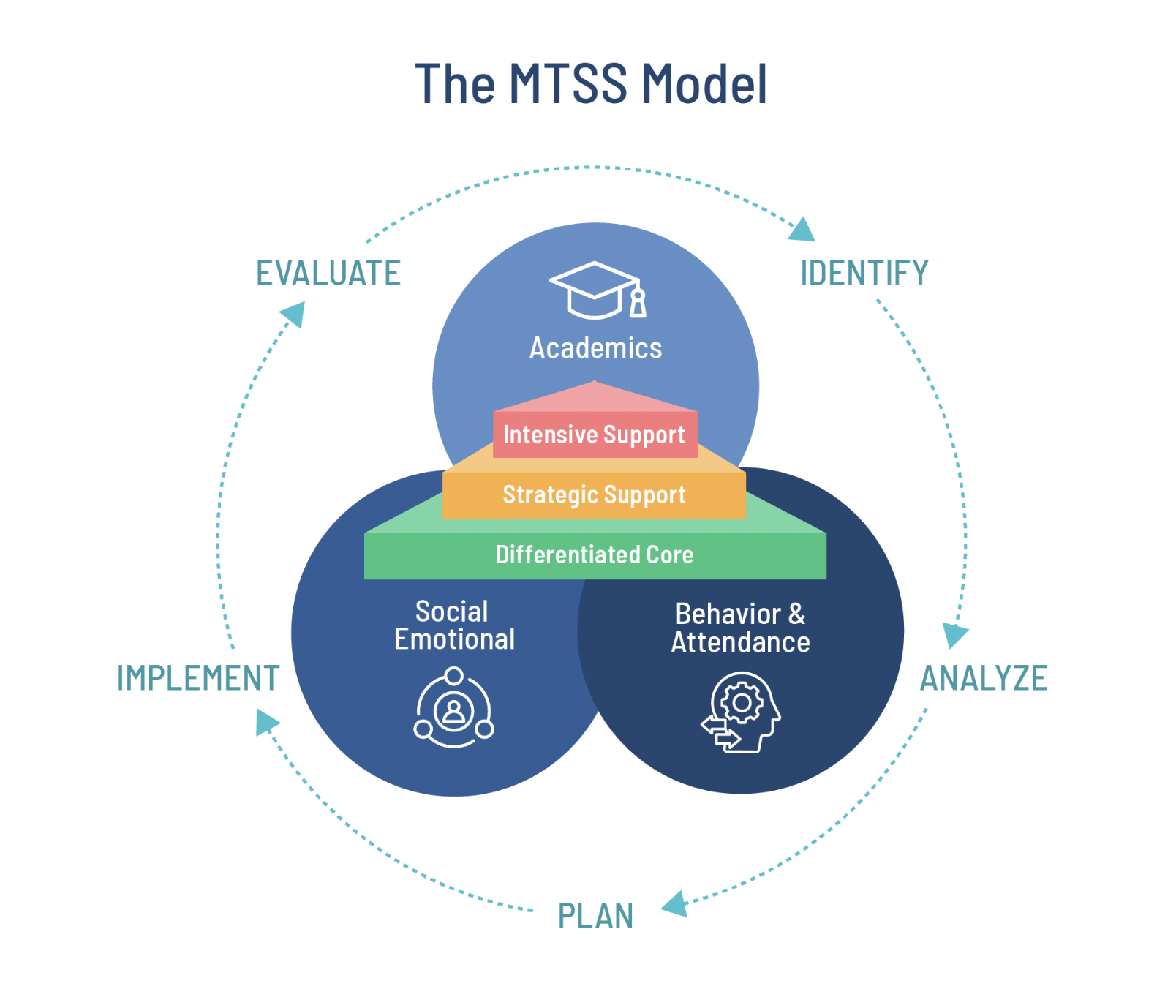
Multi-Tiered Systems of Support (MTSS) is described as a framework that helps schools understand what each student needs and provide help early. Instead of waiting until a child is struggling, MTSS focuses on prevention. It’s not just an “intervention program,” but a full system that guides how the school looks at data, how they teach, and how they decide who needs extra support.
Universal Screening: The Heart of Early Support
One of the most important parts of MTSS is universal screening. These are short assessments all students take several times a year. These screenings help schools:
Identify students who may need additional support
Catch signs of difficulty early
Match students with the right type of help
Avoid waiting until a child has already begun to struggle
Universal screening is about being proactive, not labeling or diagnosing. It gives schools a starting point for doing what’s best for students.
Why a System-Wide Approach Matters
It is important for MTSS to work at every level—district, school, and classroom. When everyone is using the same approach:
Students get more consistent, high-quality instruction
Decisions are based on data instead of guesswork
Support becomes fair and predictable for all students
When the system is strong, it becomes easier for teachers to help students effectively.
Evidence-Based Instruction and Ongoing Improvement
MTSS depends on using what works. That means schools commit to teaching practices and interventions that are backed by research. Continuous improvement is also crucial. This means constantly reviewing data, adjusting instruction, and refining supports to help students grow.
Helping Students While Supporting Teachers
MTSS helps reduce teacher burnout. When the system is organized and clear, teachers don’t have to “figure it out on their own.” Instead, they have tools, data, and structures that guide them. This leads to more sustainable support for students and more confidence for educators.
What This Means for Families
Here’s what parents can take away:
If your child receives extra reading support, it’s not a bad sign.
It simply means the school is using MTSS the way it’s meant to be used: catching needs early.Support is based on data, not hunches.
Screening helps teachers understand exactly what your child needs.Your child’s school is working to improve instruction for all students.
MTSS is about strengthening the whole system, not just helping individual kids.Communication matters.
When schools have strong systems, families feel more informed and included.
When schools follow MTSS well—using data, evidence-based instruction, and system-wide teamwork—students are more likely to succeed in reading. And families can feel more confident that support is timely, consistent, and designed to help every student grow.
Resources
Science of Reading: The Podcast