
What is SPACE? A Parent-Based Approach to Childhood Anxiety: Part 1
Childhood anxiety can show up in many different ways: school refusal, frequent worries, difficulty separating from parents, physical complaints, or constant reassurance-seeking. When these patterns continue over time, families often find themselves stuck in cycles that feel hard to break. SPACE offers a different way forward.
What Does SPACE Stand For?
SPACE stands for Supportive Parenting for Anxious Childhood Emotions. It is an evidence-based treatment program developed by psychologist Dr. Eli R. Lebowitz at the Yale Child Study Center.
Unlike traditional approaches that focus primarily on changing the child’s thoughts or behaviors directly, SPACE focuses on something equally powerful: how parents respond to their child’s anxiety.
The Core Idea Behind SPACE
At the heart of SPACE is the understanding that anxiety is often maintained, not caused, by well-intentioned patterns within the family system.
One of the most important concepts in SPACE is parental accommodation. This refers to the ways parents naturally adjust their behavior to help their child avoid distress, such as:
Allowing avoidance of feared situations
Providing repeated reassurance
Staying nearby when a child is afraid to be alone
Completing tasks for the child to reduce anxiety
These responses are completely understandable. In fact, they often come from deep care and a desire to help. However, over time, they can unintentionally reinforce anxiety by signaling that the feared situation truly is unsafe or unmanageable.
How SPACE Helps
SPACE is not about withdrawing support from a child. Instead, it helps parents shift from accommodating anxiety to responding in supportive but non-accommodating ways.
This might include:
Acknowledging a child’s feelings (“I know this is really hard for you”)
Reducing repeated reassurance over time
Encouraging gradual independence in manageable steps
Communicating confidence in the child’s ability to cope
The goal is not to remove discomfort immediately, but to help children build the skills and confidence to tolerate anxiety over time.
Why SPACE is Different
SPACE is unique because it is:
Parent-focused (parents are the primary agents of change)
Non-blaming (it recognizes accommodation as a natural, loving response)
Evidence-based (supported by clinical research on childhood anxiety)
Practical (focused on specific changes in communication and behavior)
This approach can be especially helpful when children are not ready or willing to participate directly in therapy, or when anxiety patterns are strongly embedded in family routines.
Final Thoughts
SPACE offers a compassionate shift in perspective: instead of asking “How do we fix the child’s anxiety?”, it asks “How can parents respond in ways that help anxiety no longer take control of daily life?”For many families, this shift can feel both relieving and empowering.
Learn More
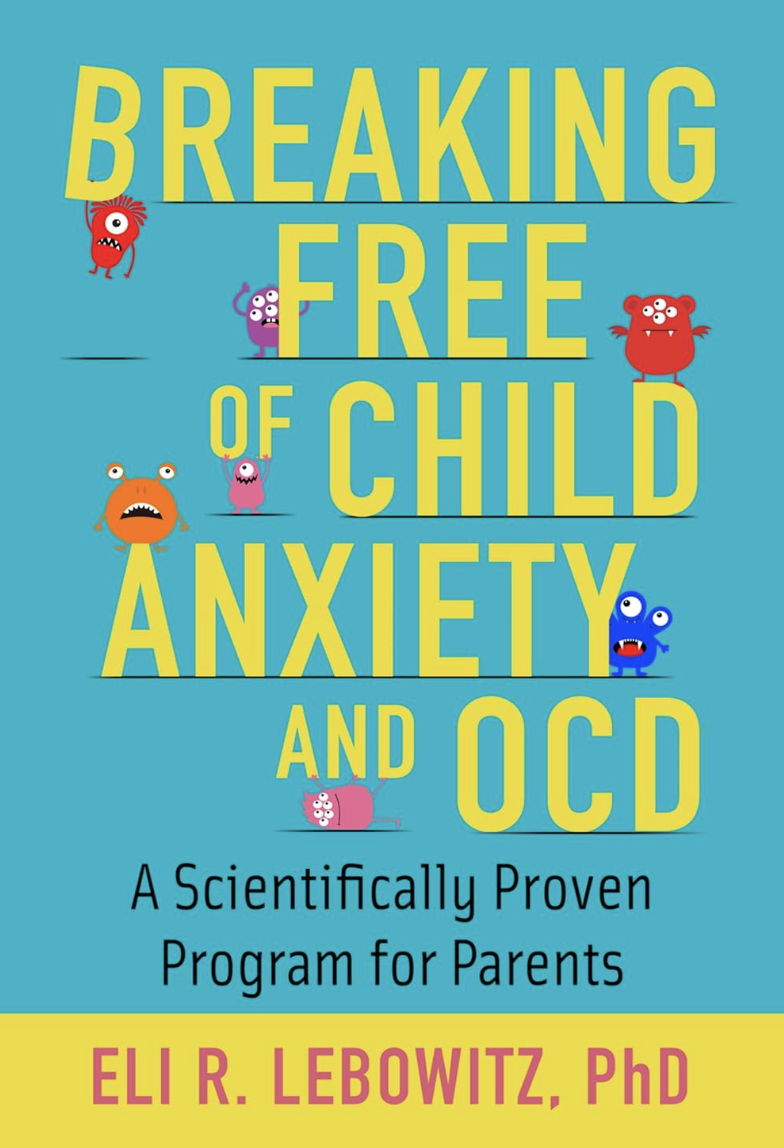
A helpful parent-friendly resource for understanding SPACE in more depth is: “Breaking Free of Child Anxiety and OCD” by Eli R. Lebowitz. This book, written by the developer of SPACE, provides step-by-step guidance for parents learning how to reduce accommodation and respond more effectively to childhood anxiety.
Find the book at:
https://www.barnesandnoble.com/w/breaking-free-of-child-anxiety-and-ocd-eli-r-lebowitz/1136649817
https://www.amazon.com/Breaking-Free-Child-Anxiety-Scientifically/dp/0190883529